Research Origin:
The project originates from the Medical University of Gdańsk (Poland), building on advanced translational research in neuroimmunology, lipid signaling, and central nervous system (CNS) biology.
The research was initiated to address a fundamental limitation in current multiple sclerosis therapies, namely, the inability to repair damaged myelin and restore neurological function despite effective immunomodulation.
The underlying scientific work leverages deep mechanistic understanding of the oxysterol–EBI2 signaling axis, supported by a combination of in vitro, ex vivo, and in vivo studies, as well as emerging human translational data demonstrating the pathway’s relevance in MS pathology.
This has enabled the identification and development of a novel, drug-like oxysterol analogue capable of modulating immune responses while simultaneously promoting CNS repair processes.
Focus:
The project focuses on the development of a novel small-molecule therapeutic for the treatment of multiple sclerosis and related demyelinating diseases. The technology is designed to overcome the key limitation of current standard-of-care therapies, which primarily suppress inflammation but do not address myelin regeneration or long-term neurodegeneration.
The core innovation is a chemically optimized oxysterol analogue (CF₃-7α,25-OHC) that enables therapeutic targeting of the EBI2 receptor pathway with improved pharmacokinetic properties and CNS penetration.
Key differentiators include:
- First-in-class dual mechanism of action combining immunomodulation and remyelination
- Selective modulation of immune cell trafficking without broad immunosuppression
- Demonstrated promotion of myelin repair in preclinical models
- Improved pharmacokinetics enabling sustained CNS exposure
- Strong translational rationale supported by human tissue and BBB-model data
The intended purpose is to shift the treatment paradigm in multiple sclerosis from disease control toward functional restoration, enabling not only suppression of disease activity but also repair of existing neurological damage.
This approach has the potential to significantly improve long-term outcomes for patients, particularly in progressive forms of MS where current therapies remain insufficient.

Research Origin:
Project originates from the Institute of Molecular Genetics of the Czech Academy of Sciences (Czech Republic), where long-standing research in molecular dermatology and rare genetic skin disorders led to the development of this technology. The project specifically targets Netherton syndrome, a severe orphan genodermatosis caused by mutations in the SPINK5 gene.
The research was initiated to address the fundamental shortcomings of existing therapeutic approaches, which largely provide symptomatic relief without correcting the underlying molecular defect. From its inception, the project has been developed with a strong translational focus, aiming to convert high-quality academic research into a clinically feasible, safe, and scalable therapeutic solution, suitable even for long-term and pediatric use.
Focus:
The project focuses on a first-in-class topical gene therapy designed to locally restore key biological functions in the skin of patients with Netherton syndrome. In contrast to systemic gene therapies, this approach enables localized gene modulation directly at the site of disease, substantially reducing systemic exposure and associated safety risks.
Key differentiating features include:
- Topical, non-viral gene delivery with localized therapeutic action
- Targeted modulation of disease-driving molecular pathways
- Suitability for repeated and long-term administration
- Strong alignment with orphan-drug development and regulatory pathways
The intended purpose is to deliver a disease-modifying therapy that goes beyond symptomatic management, offering a novel and practical gene-based treatment option for patients with Netherton syndrome and potentially other severe inflammatory or genetic skin diseases.

Research Origin:
Project originates from University Hospital Hradec Králové (Czech Republic), building on advanced clinical and translational research in hematology and oncological diagnostics.
The project was initiated in response to a clear clinical need for improved diagnostic tools in multiple myeloma, particularly methods that enable earlier detection and more practical disease monitoring.
The underlying research leverages deep clinical expertise and access to well-characterized patient cohorts, enabling the identification of disease-specific biological signatures detectable in peripheral blood and suitable for diagnostic use.
Focus:
The project focuses on the development of a novel blood-based diagnostic method for the detection and monitoring of multiple myeloma. The technology is designed to improve sensitivity and practicality compared to current standards, which rely heavily on invasive procedures and often lack sufficient performance in early or low-burden disease.
Key differentiators include:
- Minimally invasive, blood-based diagnostic approach
- Enhanced sensitivity for early-stage and low-tumor-burden disease
- Potential use across diagnosis, treatment monitoring, and relapse detection
- Strong clinical relevance and scalability within hematological oncology
The intended purpose is to support earlier diagnosis, improved patient stratification, and more informed clinical decision-making, with the potential to meaningfully improve outcomes for patients with multiple myeloma.
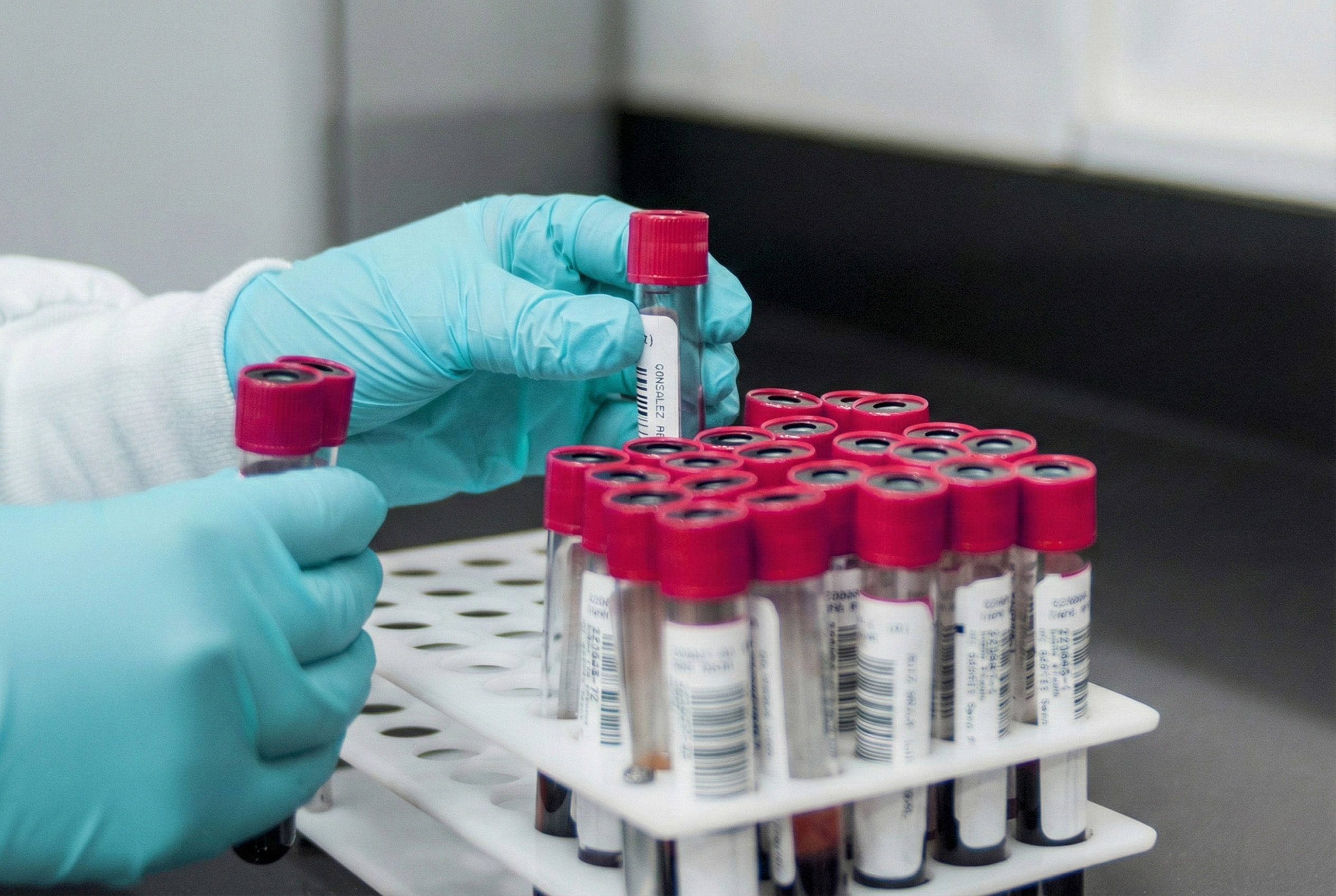
Research Origin:
The project originates from Jagiellonian University (Poland), one of Central Europe's leading research institutions, building on advanced translational research in regenerative medicine, extracellular vesicle (EV) biology, and fibrosis pathophysiology.
The research was initiated to address a fundamental limitation of current fibrosis therapies, namely, their inability to reverse established tissue scarring and restore organ function. Despite significant advances in anti-fibrotic treatment, existing therapies primarily slow disease progression while leaving the underlying fibrotic remodeling process largely unaddressed.
The underlying scientific work focuses on the role of extracellular vesicles as natural biological carriers capable of modulating cellular behaviour and tissue regeneration. Through a series of in vitro and in vivo studies, the research team demonstrated that hypoxia-conditioned extracellular vesicles exhibit enhanced anti-fibrotic and regenerative properties compared to conventionally produced vesicles.
This has enabled the identification and development of a novel extracellular vesicle-based therapeutic platform capable of targeting the molecular mechanisms responsible for fibrosis progression, while simultaneously promoting tissue repair and regeneration.
Focus:
The project focuses on the development of a novel biological therapy for the treatment of fibrosis and related fibrotic diseases. The technology is designed to overcome the key limitation of current standard-of-care therapies, which primarily slow disease progression but are unable to reverse established tissue damage or restore organ function.
The core innovation is a hypoxia-engineered extracellular vesicle platform derived from human induced pluripotent stem cells (hiPSCs). The technology utilizes a proprietary low-oxygen manufacturing process that enriches vesicle cargo with biologically active microRNAs, including miR-302b-3p, enabling targeted modulation of the TGF-β/SMAD2 signalling pathway, a central driver of fibrosis development across multiple organs.
Key differentiators include:
- First-in-class disease-modifying approach targeting fibrosis at its molecular core
- Direct modulation of the TGF-β/SMAD2 pathway through miRNA-mediated gene regulation
- Demonstrated reversal of fibrotic markers and fibroblast activation in preclinical studies
- Hypoxia-engineered manufacturing process enabling enhanced biological potency and scalable production
- Platform applicability across multiple fibrotic indications, including pulmonary, hepatic, and cardiac fibrosis
- Strong translational rationale supported by both human fibroblast and animal model data
The intended purpose is to shift the treatment paradigm in fibrosis from symptomatic disease management toward regenerative restoration by actively reprogramming pathological tissue remodeling processes and promoting recovery of normal organ function.
This approach has the potential to significantly improve long-term outcomes for patients suffering from progressive fibrotic diseases, where current therapeutic options remain unable to reverse established tissue damage or prevent eventual organ failure.

Focus:
The project focuses on the development of a novel AI-powered respiratory diagnostic platform for the rapid diagnosis and monitoring of asthma at the point of care. The technology is designed to overcome the key limitations of current standard-of-care diagnostic methods, which are often dependent on effort-intensive spirometry testing, require specialized infrastructure, and provide limited predictive value regarding disease progression or exacerbation risk.
The intended purpose is to enable rapid, objective, and accessible asthma diagnosis across both primary and specialist care settings, while expanding access to reliable respiratory testing for patient populations that are often underserved by existing diagnostic approaches, including children, elderly patients, and individuals with severe respiratory impairment.
The technology has the potential to significantly improve diagnostic accuracy, reduce misdiagnosis rates, and support earlier clinical intervention, ultimately improving patient outcomes while reducing healthcare system burden associated with uncontrolled asthma.
Exhale-DxTM Technology
The core innovation is Exhale-Dx™, a handheld diagnostic device that combines advanced breath-analysis sensors with the proprietary ADENA (Adaptive Deep Neural Architecture) artificial intelligence platform. During a single relaxed exhalation, the system captures a multimodal breath signature consisting of thirteen physiological and biochemical parameters, including volatile organic compounds, carbon dioxide waveform characteristics, respiratory flow dynamics, temperature, and humidity.
Key differentiators include:
- AI-powered analysis of multimodal breath signatures rather than reliance on single biomarkers
- Diagnosis performed using normal tidal breathing without forced respiratory manoeuvres
- Point-of-care results delivered in under 60 seconds
- Capability to assess disease control status and predict exacerbation risk
- Fully on-device AI processing without the need for cloud connectivity
- Broad applicability across paediatric, adult, and elderly patient populations
Clinical studies conducted to date have demonstrated:
- 93% diagnostic accuracy in distinguishing asthmatic from non-asthmatic patients
- Detection of physiological changes associated with asthma exacerbations up to 72 hours before clinical presentation
- 100% sampling success rate across patients aged 6–85 years
- Successful validation in both adult and paediatric patient populations
The platform represents a potential paradigm shift in respiratory diagnostics by moving from reactive symptom-based assessment toward rapid, objective, and predictive disease management.

Research Origin:
The project originates from Fondazione IRCCS Ca' Granda Ospedale Maggiore Policlinico in Milan, Italy, one of Europe's foremost academic medical centres and a leading European hub for translational neuroscience and motor neuron disease research. The research was conducted within the Neural Stem Cell Laboratory led by Professor Stefania Corti, Full Professor of Neurology at the University of Milan and Director of the Neuromuscular and Rare Diseases Unit at the Policlinico.
The research was initiated to address a fundamental and longstanding limitation of current ALS therapeutics: the complete absence of any approved therapy capable of halting or reversing motor neuron degeneration. Despite decades of research and the recent approval of mechanism-specific agents such as tofersen, available treatments remain either purely symptomatic or applicable only to small genetic subgroups, leaving the vast majority of ALS patients without a genuine disease-modifying option. The underlying scientific work focuses on the role of microRNA dysregulation in ALS pathophysiology, specifically the abnormal upregulation of miR-129-1 in motor neurons across both sporadic and genetic forms of the disease. Through a series of in vitro and in vivo studies, the research team demonstrated that miR-129-1 overexpression suppresses key proteins essential for neuronal RNA stability and axonal integrity, and that its targeted inhibition restores these proteins and produces neuroprotective effects in both ALS animal models and patient-derived human motor neurons.
Focus:
The project focuses on the development of a potentially first-in-class disease-modifying therapy for Amyotrophic Lateral Sclerosis based on an anti-miR morpholino antisense oligonucleotide (ASO) targeting the microRNA-129-1 (miR-129-1) pathway. The technology is designed to overcome the central limitation of current ALS treatments, which address only downstream disease manifestations or are restricted to specific genetic mutations, and to deliver meaningful neurological benefit across the broad ALS patient population.
The core innovation is a phosphorodiamidate morpholino oligomer (PMO) with sequence-specific targeting of mature miR-129-1. The ASO operates via a steric block mechanism, physically preventing miR-129-1 from binding to its target messenger RNAs, thereby restoring the expression of ELAVL4/HuD, a central regulator of neuronal transcript stability, and stathmin-2 (STMN2), a protein essential for axonal maintenance and regeneration. The therapy is administered intrathecally, enabling direct and targeted delivery to spinal motor neurons via a route already established in approved CNS antisense therapies.
Key differentiators include:
·Potentially first-in-class upstream RNA regulatory approach targeting miR-129-1, a mechanism dysregulated across both sporadic (~90% of cases) and genetic ALS forms
·Pan-ALS potential applicability, in stark contrast to mutation-specific therapies such as tofersen, which are applicable to approximately 2% of patients
·Simultaneous restoration of multiple downstream neuroprotective proteins (ELAVL4/HuD and STMN2) through a single upstream intervention
·Meaningful efficacy signals in a transgenic ALS mouse model following single-dose administration, including survival extension, motor function improvement, and neuromuscular junction preservation
·Robust target engagement confirmed in ALS patient-derived iPSC motor neurons carrying multiple disease-relevant mutations, with no detectable toxicity
·Established morpholino chemistry platform with GMP-compatible synthesis and validated regulatory precedent through approved CNS ASO programmes
·Orphan disease designation pathway available in both the US and EU, providing regulatory incentives and accelerated development opportunities
The intended purpose is to shift the treatment paradigm in ALS from symptomatic management and marginal survival extension toward genuine disease modification, actively preserving motor neuron networks, maintaining neurological function, and ultimately improving both the quality and duration of life for patients facing a universally fatal diagnosis. This approach has the potential to benefit the broadest population of ALS patients of any disease-modifying programme currently in development, addressing an unmet medical need that has remained substantially unresolved despite decades of research.

Focus:
TBD
Technology:
TBD
Key differentiators include:
TBD
Preclinical studies conducted to date have demonstrated:
TBD